London, UK

Jonathan Lhrar

Enterprise transformation & delivery leadership

I work in technology and delivery, and outside work I’m usually occupied with a software project or a guitar. My interests take me in a few different directions, so this site brings together my professional background, the things I’m building independently, and the music that takes up a good part of the rest of my time.

Jonathan Lhrar

I’ve spent more than twenty years working in technology across the UK, US and France, with a career that has taken me from web development into agile coaching, delivery leadership and enterprise transformation. I’m now at Cognizant, where my work brings together an interest in the technology itself and the way people organise themselves to deliver it.

Having worked on both sides, I tend to ask questions about how a plan will hold up once people start using it, requirements change and the difficult decisions arrive. I care about understanding the reasons behind a problem before adding another process or tool, and about whether the changes we make are helping the people who have to work with them every day.

Current

Enterprise transformation & delivery leadership

Cognizant · London

My work centres on how organisations deliver technology and how their teams work together, particularly where a change in one area has consequences for several others. Priorities, responsibilities and working practices all affect delivery, so I’m interested in understanding those relationships and helping people make decisions with a shared view of what they are trying to achieve.

Delivery

Agile coaching & team leadership

I’ve worked with multiple agile teams, supporting the people building the software as well as the clients relying on the result. That has involved working through requirements, coaching teams and maintaining attention to quality, while helping everyone involved understand the choices being made and the reasons behind them. The technical work and the conversations around it need to support each other.

I’ve also written about retrospectives and test-driven development, two areas that interest me because they give a team ways to examine its own work. A retrospective should lead to something the team can try, and then come back to with an honest account of whether it helped; that follow-through is often where the most useful learning happens.

Foundations

Web development & digital delivery

Earlier in my career, I built websites and worked on the systems behind their production, including making landing-page development more repeatable and selecting tools for traffic management at Cellfish. That experience still influences the way I approach delivery: I enjoy getting into the details of how a piece of software works, and I want to understand what an architectural or design decision will mean for the people maintaining it later.

Full career history on LinkedIn (opens in a new tab)

Most of my independent projects begin with something I use, a frustration I keep running into, or an idea I’d like to understand by building it. They let me stay involved in the details of making software, from the first rough version through the less glamorous work of testing, reviewing and making it easier to maintain. They also have a habit of taking up more of an evening than I originally intended.

Jagger Audio

Audio plugins · Private beta

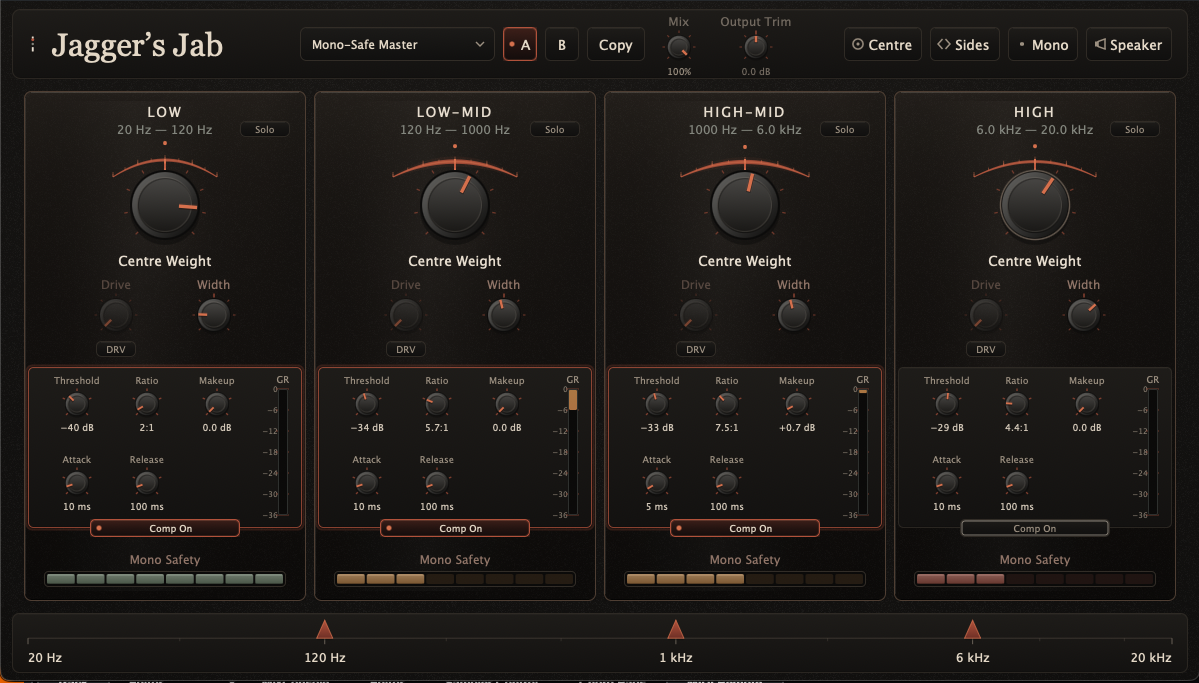
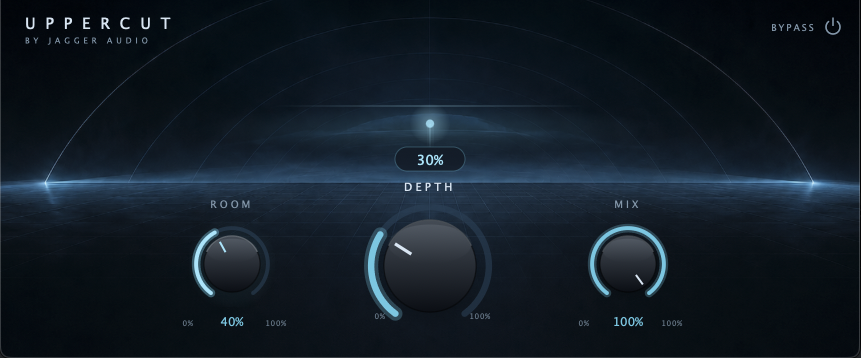
Jagger Audio grew out of the time I spend playing, recording and working on sound, and the questions that come up when a mix behaves differently from what I expected. It is home to Jab and Uppercut, two plugins that focus on particular mixing decisions and aim to make those decisions easier to hear and control.

Jab lets you work on different frequency bands within a stereo mix, adjusting aspects such as the centre and width before checking what survives in mono or on a small speaker. Uppercut tackles a different question: how to make a sound feel closer or further back by bringing the relevant level, tone and room cues together. Both are in private beta, with the emphasis on how they behave in a working session.

Jab, showing its four-band mixing interfaceJab · the current interface Opens in a new tab Visit Jagger Audio (opens in a new tab)

MARIAGE

Food & wine · Web app

MARIAGE starts with a familiar moment at a restaurant: you have chosen the food, you are looking at the wine list, and you would like a little help deciding what will work well together. I wanted to explore that question using the choices actually available at the table.

The app works from the food and wine available and explains why a pairing makes sense, so there is something to go on beyond the name of a bottle. There is also a restaurant side, where guests can scan a table QR code and choose from the venue’s own menu and wine list.

A wine glass and restaurant menu from MARIAGE

What keeps me interested is the gap between producing a recommendation and making it useful to someone who is about to order. The wording, the amount of explanation and the way the choices are presented all matter, because the person using it should be able to decide whether the suggestion suits them and get back to enjoying the meal.

Try MARIAGE (opens in a new tab)

AI Workbench

AI tooling · Personal workspace

The workbench began because I was spending too much time copying questions and answers between different AI tools, especially when I wanted a second model to review what the first had produced. I wanted to keep the question, the answer and the review together, so I could follow the reasoning without having to reconstruct it across several conversations.

In the workbench I choose the models and decide what gets reviewed, while the application keeps the exchanges and shows the cost of each call. This makes it easier to compare answers and ask further questions when something does not add up. I find that particularly useful with coding work, where a convincing explanation still needs to agree with the code, the tests and the behaviour of the application.

I’m also exploring how the same approach could work with several coding agents, with a view of what each one is doing and a way for them to review one another’s work. The part that interests me most is keeping the overall direction coherent as the work moves between agents, sessions and different stages of a project.

A Descent-inspired game

Browser game · In development

The game is a change of pace from the other projects: a 3D flying and combat game inspired by Descent, with work on movement, weapons, enemies and the spaces you fly through. It gives me a different set of problems to think about, because the result depends so much on how all those elements feel together when you are playing. A weapon can work exactly as specified and still need changes before it feels right.

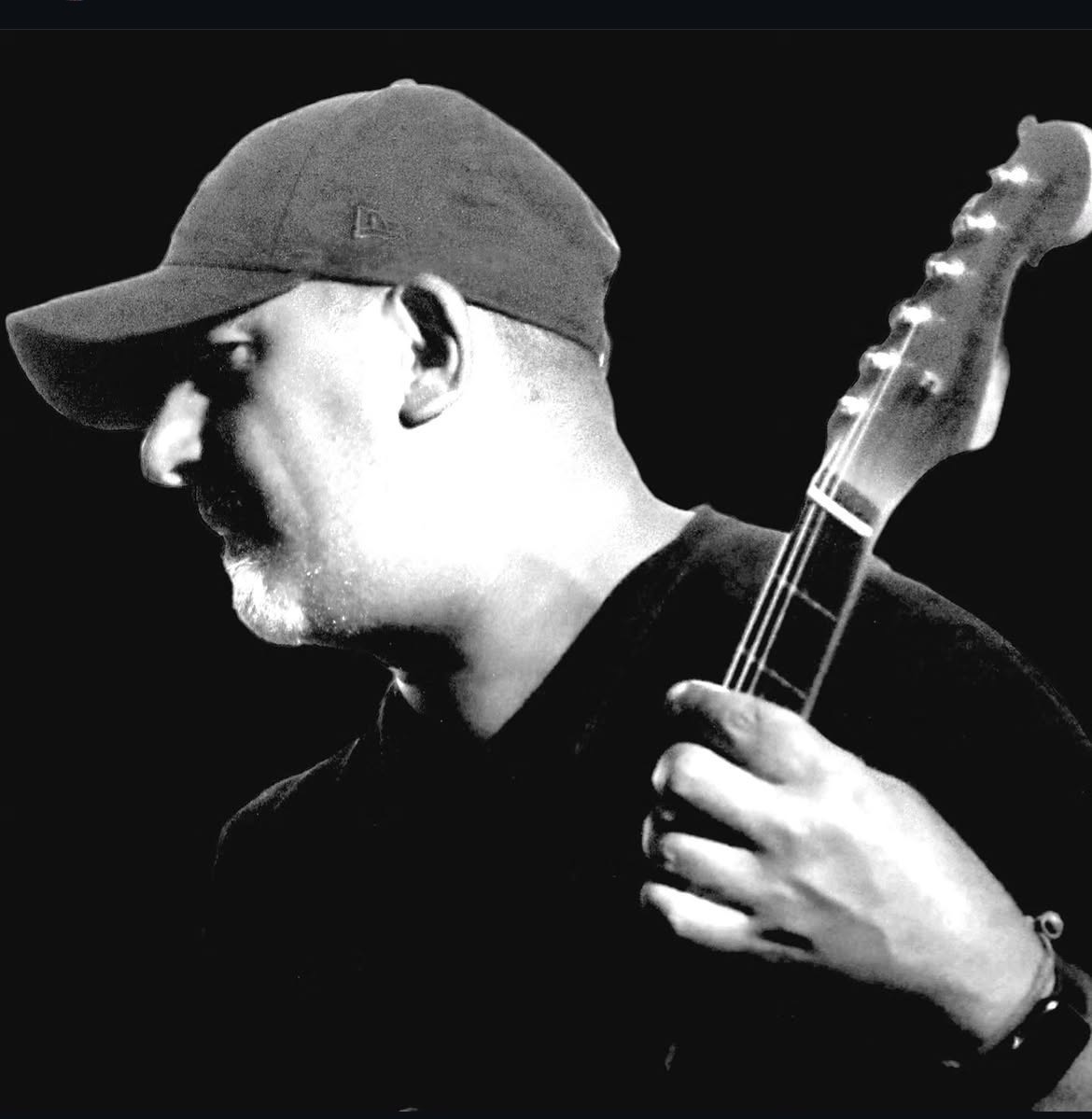
I play guitar with Lord Algae, covering a mixture of rock, blues, funk and soul at venues including the Kilburn Bridge. Playing with a band gives me something very different from the work I do at a screen: you have to listen to the other musicians, respond to what is happening in the room and get on with playing. I like having that alongside the more analytical parts of my week.

There is plenty of tinkering behind the playing, whether I’m working on guitar sounds, adjusting a pedalboard, sorting out monitoring or trying to understand why a mix sounds different on another system. Those are practical questions I come back to regularly, and they explain much of my interest in building audio tools. It is easier to stay interested in a problem when you will be using the answer yourself.

If you would like to hear the band or come along to a gig, our Lemonrock page has recordings and listings, so you can get an idea of what we play and see where we are appearing next.

Lord Algae on Lemonrock (opens in a new tab)

If something here overlaps with your own work or interests, I’d be happy to hear from you, whether you want to discuss delivery and ways of working, ask about one of the projects, or compare notes on music. Email is a good place to start, and you can also find me on LinkedIn and GitHub.